SEV Technology
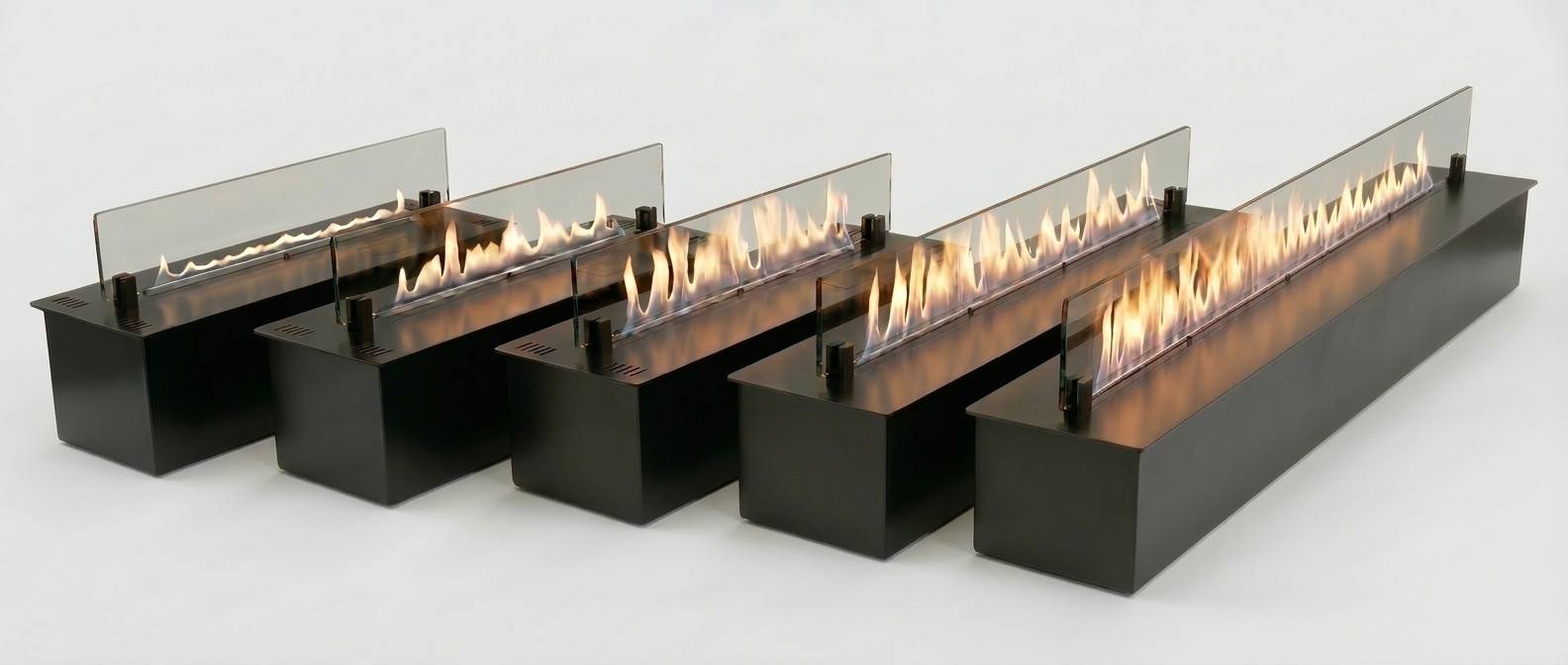
SEV smart ethanol vapor fireplace guide: how intelligent vapor combustion changes real-flame projects
A deep buyer guide to SEV smart ethanol vapor fireplaces, covering intelligent control, vaporized ethanol combustion, safety logic, installation planning, project fit, and supplier questions. This guide is written for premium homeowners, architects, hotel buyers, distributors, retailers, and smart home project teams who need detailed selection logic, project risk control, and supplier questions rather than broad inspiration.
Direct answer
Sev smart ethanol vapor fireplace should be evaluated through the actual project conditions: room layout, viewing direction, installation depth, safety review, control method, service access, user training, and supplier capability. The strongest choice is not necessarily the product with the largest flame or the most dramatic photo. It is the option that fits the use case and can be installed, operated, and supported without hidden problems.
For SEFIRE buyers, the goal is to understand when an intelligent ethanol vapor fireplace is worth specifying instead of a conventional burner. That means the purchase decision should be supported by drawings, product dimensions, realistic operating expectations, inspection evidence, and a clear handover plan. A serious buyer should know what is being ordered, how it will be installed, who will use it, and what must be checked before shipment.
This article gives a practical framework for decision-making. It does not replace local code review or site approval. It helps buyers ask the right questions before committing budget, drawings, and production time.
Why this topic matters for professional buyers
Modern fireplaces sit at the intersection of design and building systems. A fireplace can define the emotional tone of a room, but it also influences wall depth, finish materials, electrical routes, water or fuel handling, staff routines, service access, packaging, documentation, and after-sales responsibility. When one of those details is ignored, the project may still look good in a rendering but become difficult in the real building.
Residential buyers usually care about atmosphere, safety confidence, and ease of use. Designers care about proportion, material transitions, and visual clarity. Builders care about dimensions, tolerances, and fewer field changes. Importers and distributors care about repeatable quality, shipping protection, spare parts, and a product story that sales teams can explain. A good supplier should respect all of those concerns, not only provide a catalog image.
SEFIRE's export-oriented product planning is built around that reality. Smart ethanol fireplaces, 3D water vapor fireplaces, manual ethanol burners, and custom firebox frames all solve different problems. The right answer depends on the project, not on a one-size-fits-all recommendation.
Decision table
| Decision point | Why it matters | Buyer action |
|---|---|---|
| Combustion concept | Ethanol vapor combustion is designed to make fuel delivery and flame control more intelligent than a basic manual burner. | Ask the supplier to explain ignition, shutdown, sensor logic, and user controls. |
| Control method | Premium buyers often expect app, remote, physical button, and smart home-friendly operation. | Confirm which control methods are included for the exact model and market. |
| Safety logic | Smart systems should be evaluated by shutdown behavior, fuel monitoring, temperature sensing, and abnormal-condition response. | Request test videos and written operating instructions before shipment. |
| Installation environment | Real flame still requires clearance, ventilation assumptions, and user training. | Treat SEV as an advanced real-flame product, not as a cold LED product. |
| Project positioning | SEV fits premium villas, showrooms, hotels, and high-end design projects where control and presentation matter. | Match the product to the buyer's service expectation and budget. |
| After-sales plan | Advanced systems need clearer manuals, spare parts, and support channels than simple manual burners. | Confirm spare parts and troubleshooting steps before bulk orders. |
Common mistakes to avoid
- describing smart controls without explaining safety boundaries
- treating vaporized ethanol combustion as maintenance-free
- forgetting room and clearance planning because the system is intelligent
- selling advanced controls without staff or user training
- not confirming spare parts and support for export buyers
Project examples
Luxury villa: SEV can suit a buyer who wants real flame with a more controlled, premium operating experience.
Showroom demonstration: A retailer can use SEV to show the difference between basic ethanol burners and intelligent real-flame systems.
Hotel premium lounge: SEV may fit controlled hospitality spaces where staff operate the fireplace and want a stronger feature than decorative vapor flame.
Smart home project: SEV should be discussed early with the smart home installer so control expectations and safety boundaries are clear.
Installation planning: confirm the site before confirming the model
Start with the room and the people who will use the fireplace. Confirm whether the product is for a private living room, hotel lobby, restaurant, retail showroom, outdoor terrace, apartment project, or builder package. Then confirm the expected run time, viewing distance, user access, and maintenance responsibility. Those answers influence the correct product type more than a catalog photo does.
Measure both the rough opening and finished opening. Finish materials such as stone, tile, metal, plaster, and cabinetry can reduce the final opening if tolerances are not planned. For wall installations, confirm depth, access panels, power routes, and any water or drainage requirements. For ethanol products, add fuel handling, cooldown rules, ventilation assumptions, and clearances. For water vapor products, add water quality, tank access, mist outlet position, cleaning access, and transducer service planning.
Commercial projects need a written operating routine. A beautiful fireplace is not enough if the hotel staff, restaurant manager, or showroom team does not know who turns it on, who turns it off, who cleans it, who refills it, and who checks it before guests arrive. Clear routines reduce after-sales confusion.
Safety, standards, and external references
Fireplace safety depends on product type, site conditions, and local rules. A water vapor fireplace creates a decorative flame effect using mist and light, but it still includes electrical parts, water management, and maintenance needs. A smart ethanol fireplace creates real flame, so the project must respect fuel handling, clearances, room conditions, and user training. A manual ethanol burner is simple, but simple operation still requires disciplined use.
External organizations provide useful context. The U.S. EPA discusses indoor air quality. The U.S. Department of Energy publishes general heating guidance. The U.S. Consumer Product Safety Commission provides fire safety information. The International Code Council explains model building codes. OSHA provides hazard communication guidance relevant to chemical handling programs. These references help buyers ask better questions, but they do not replace local professional review.
Final approval should come from qualified local professionals who understand the building, jurisdiction, and intended use. SEFIRE can support product data, model suggestions, drawings, photos, videos, and supplier-side documentation.
Quality evidence to request before shipment
Professional buyers should request evidence before the product leaves the factory. Useful records include product photos, test videos, dimension checks, packing photos, labels, manuals, spare parts information, and a clear explanation of any custom detail. This is especially important for first orders, private-label programs, project orders, and custom firebox formats.
For smart ethanol fireplaces, inspection should cover ignition response, flame behavior, fuel system construction, control response, sensor logic, panel finish, and packing. For water vapor fireplaces, inspection should cover mist output, LED color, water system function, noise level, tank access, drainage or auto-fill behavior, and cleaning instructions. For firebox frames, inspection should cover dimensions, viewing opening, edge finish, frame squareness, protective packing, and compatibility with the selected burner or insert.
Strong quality evidence is not bureaucracy. It protects the buyer, supplier, installer, and final user. It also makes the product easier to sell because the distributor can show real proof instead of vague claims.
Questions to ask the supplier
- Which product series is most suitable for this exact room type and use case?
- What are the rough opening, finished opening, depth, access, and clearance requirements?
- Which control methods, safety functions, water systems, or fuel systems are included in this model?
- What customization is realistic for a low-volume project order?
- Can the supplier provide photos, test videos, drawings, packing photos, and spare parts information before shipment?
- What should the local installer or maintenance team know before handover?
Related SEFIRE resources
- SEFIRE smart ethanol fireplaces
- smart home ethanol fireplace integration
- manual vs smart ethanol burners
- ethanol fireplace air requirements
- bioethanol fireplace safety checklist
External references
- U.S. EPA indoor air quality guidance
- U.S. Consumer Product Safety Commission fire safety information
- U.S. Consumer Product Safety Commission fire safety information
- International Code Council model building code overview
- OSHA hazard communication overview
FAQ
Is the most expensive fireplace always the best choice?
No. The best choice is the product that fits the project conditions, user expectations, installation limits, and maintenance plan. A premium product can still be wrong if the site cannot support it.
Can SEFIRE support custom project requirements?
Yes. SEFIRE supports selected custom lengths, finishes, control options, firebox formats, packaging details, and low-volume project configurations. Custom work should be confirmed with drawings before production.
Should I choose real flame or water vapor flame?
Choose real flame when the buyer wants authentic combustion flame and accepts fuel handling and clearance planning. Choose water vapor when the priority is a safer decorative flame effect, public-space use, or TV-wall-friendly design.
What is the most important thing before ordering?
Confirm the use case, dimensions, access, operating routine, and local installation requirements. Product selection is much easier after those points are clear.
Do external links replace local code review?
No. External references are educational. Local regulations and qualified local professionals should guide final installation approval.
Need help with a fireplace project?
Send your room type, target dimensions, country, quantity, and preferred flame effect. SEFIRE can help compare smart ethanol, water vapor, manual burner, and custom firebox options.
Ask SEFIRE