Product Selection
Linear vs round ethanol fireplaces: how to choose the right flame format for your project
Compare linear and round ethanol fireplaces for homes, hotels, restaurants, showrooms, villas, and retail projects by viewing angle, heat, installation, safety, fuel handling, and visual impact. This guide is written for homeowners, interior designers, builders, restaurant owners, hotel buyers, retailers, and distributors who need practical selection criteria, not only product photos.
Direct answer
Linear vs round ethanol fireplace decisions should be made from the room, buyer profile, installation format, and daily operation plan. The best choice is rarely the product with the most dramatic photo. It is the option that fits the viewing angle, access requirements, maintenance routine, safety review, and commercial expectation of the project.
For SEFIRE buyers, the practical goal is to choose the ethanol fireplace format that matches the room layout, viewing angle, installation depth, and operating plan. A clear decision process protects the visual concept while reducing avoidable problems for builders, retailers, hotel staff, and final users.
A professional fireplace specification should explain what the product does, what the site must provide, what the user should expect, and what the supplier will check before shipment. That level of detail is especially important when buyers are comparing smart ethanol fireplaces, water vapor fireplaces, manual burners, and custom firebox systems across different markets.
Why this topic matters
Fireplaces are emotional products, but they also behave like technical building components. They influence wall depth, power planning, water or fuel handling, user training, service access, packaging, and after-sales responsibility. When the early decision is vague, the project can look good in a rendering but become difficult during installation or daily use.
For residential buyers, the main concern is often atmosphere and confidence. For builders, the key issue is predictable dimensions and fewer field changes. For designers, the flame must support the interior language. For distributors and retailers, the product must be easy to explain, easy to support, and reliable across repeat orders.
Export projects require even more discipline. The buyer, installer, designer, manufacturer, and end user may not be in the same country. Clear product language, photos, drawings, test records, packing records, and instructions create the trust that helps a project move smoothly.
Comparison table
| Decision point | What it means | Buyer action |
|---|---|---|
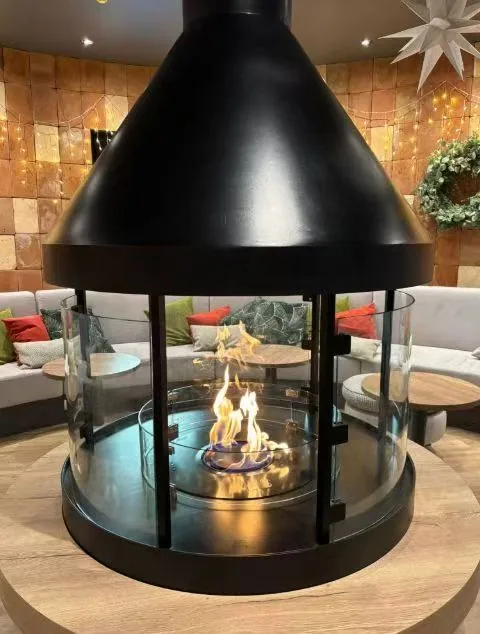
| Visual direction | Linear fireplaces create a long horizontal focal line; round fireplaces create a central flame object that can be viewed from more angles. | Confirm this point before drawings, purchase orders, and handover documents are finalized. |
| Best location | Linear models fit media walls, feature walls, long counters, and hotel lounges; round models fit tables, islands, terraces, and centerpiece installations. | Confirm this point before drawings, purchase orders, and handover documents are finalized. |
| Installation planning | Linear formats usually depend more on wall depth and frame design; round formats depend more on table stability, clearance radius, and traffic flow. | Confirm this point before drawings, purchase orders, and handover documents are finalized. |
| User experience | Linear flame feels architectural and built-in; round flame feels social, sculptural, and object-like. | Confirm this point before drawings, purchase orders, and handover documents are finalized. |
| Project risk | Linear products need careful wall coordination; round products need careful surrounding clearance and staff handling. | Confirm this point before drawings, purchase orders, and handover documents are finalized. |
Common mistakes to avoid
- choosing a round fireplace only because it looks dramatic, without checking traffic flow and clearance radius
- choosing a linear fireplace after the wall is finished, leaving no access for service
- comparing products only by flame length instead of room scale and viewing distance
- forgetting that real flame needs fuel handling, user training, and local installation review
- placing a flame format where guests, curtains, furniture, or service staff will be too close
Project examples
Luxury living room: A linear smart ethanol fireplace often works best when the design includes a long stone wall, cabinet line, or TV feature wall. The flame becomes part of the architecture.
Restaurant table or lounge island: A round ethanol centerpiece can create a social focal point, but guest distance, furniture stability, and staff handling must be planned before service begins.
Hotel lobby: A long linear flame can match the scale of a lobby wall, while several round centerpieces can divide lounge zones without building a full wall.
Outdoor terrace: Round ethanol products can work well as center features, but wind exposure, placement, and fuel rules need more attention than indoor decorative use.
Design and installation planning
Start with the space. Confirm whether the fireplace will sit below a TV, inside a media wall, in a lobby, on a terrace, inside a restaurant, or inside a retail showroom. Each location changes the correct product path. A TV wall may favor a water vapor fireplace or carefully planned ethanol installation. A controlled lounge may accept smart ethanol because real flame is part of the experience. A public hotel lobby may favor water vapor if the flame needs to be close to guests.
Next, confirm dimensions before the final finish is approved. The finished opening, rough opening, depth, service direction, control method, and surrounding material should be documented. If custom size is required, ask for drawings and visual confirmation before production. If the project is commercial, decide who will clean, refill, start, stop, and inspect the unit.
Finally, plan access. A clean wall that cannot be serviced is not a professional installation. Any fireplace system needs a way to inspect components, remove panels where required, replace parts, and clean the product. Access planning should be part of the design rather than a hidden problem left for the installer.
Safety and compliance notes
Fireplace safety depends on product type and local requirements. A water vapor fireplace creates a decorative flame effect using mist and light, but it still has electrical parts, water management, and maintenance requirements. A smart ethanol fireplace creates real flame, so fuel handling, clearances, ventilation assumptions, and user training become more important.
External references from organizations such as the U.S. EPA, U.S. Department of Energy, U.S. Consumer Product Safety Commission, International Code Council, and OSHA can help buyers understand indoor air quality, heating safety, model codes, and chemical handling responsibilities. These references do not replace local code review. They help buyers ask better questions before committing to a product or installation format.
SEFIRE can provide product information, model suggestions, drawings, photos, videos, and supplier-side guidance. Final installation approval should always be handled by qualified local professionals who understand the building, local regulations, and intended use.
Quality control and supplier evidence
For B2B buyers, evidence matters. Ask for product photos, test videos, dimension checks, packing photos, labels, manuals, spare part information, and a clear explanation of what has been customized. A trustworthy supplier should be able to explain both product strengths and limitations.
For smart ethanol fireplaces, inspection should include ignition response, flame behavior, fuel system structure, control response, sensor logic, finish quality, and packing. For water vapor fireplaces, inspection should include mist output, LED color, water system behavior, noise, tank access, and drainage or auto-fill operation when included. For custom fireboxes, check dimensions, viewing opening, finish compatibility, and edge protection.
Documenting quality before shipment helps distributors, retailers, builders, and hotel teams. It also makes after-sales communication more precise because everyone can refer to the same photos, test results, and accessory list.
Buyer checklist
- Confirm the project type, room size, viewing distance, and expected operating hours.
- Decide whether the buyer needs real flame, decorative flame, supplemental heat, or a safer public-space effect.
- Confirm rough opening, finished opening, depth, finish material, and access method.
- Ask for drawings, photos, test videos, packing information, spare parts, and user instructions.
- Clarify who will operate, refill, clean, inspect, and maintain the fireplace after handover.
- Review local codes, site rules, and safety requirements with qualified professionals.
Related SEFIRE resources
- SEFIRE smart ethanol fireplaces
- manual vs smart ethanol burners
- ethanol fireplace fuel consumption
- outdoor ethanol fireplace buyer guide
- ethanol fireplace clearance from combustibles
External references
- U.S. EPA indoor air quality guidance
- U.S. Consumer Product Safety Commission fire safety information
- U.S. Consumer Product Safety Commission fire safety information
- International Code Council model building code overview
- OSHA hazard communication overview
FAQ
Is this mainly a design decision?
No. It is both a design decision and a technical project decision. The correct fireplace must fit the visual concept, but it also needs suitable dimensions, access, controls, maintenance, and local review.
Can SEFIRE help compare different fireplace types?
Yes. Send the project country, room type, target dimensions, preferred flame effect, quantity, and installation photos or drawings. SEFIRE can recommend practical product options and explain customization limits.
Should I choose the cheapest model first?
Usually no. A low unit price can become expensive if the product is difficult to install, poorly packed, unsupported by documents, or unclear for the end user. Compare total project risk, not only product price.
Do external references replace local code review?
No. External references are useful for education, but final installation should follow local codes, site rules, and professional review.
What information should I send before asking for a quote?
Send the opening size, desired flame length, room type, product preference, finish requirements, destination country, quantity, and any installation drawings or photos.
Need help selecting a fireplace product?
Share your product series, project country, quantity, installation style, and target dimensions. SEFIRE can recommend suitable models, specification details, and supply options.
Ask SEFIRE