Outdoor Projects
Indoor vs outdoor water vapor fireplace: what changes in product selection?
Indoor and outdoor water vapor fireplaces may use the same basic visual idea: mist, light, and a controlled flame effect. In real projects, however, the buying decision is different. A fireplace for an apartment TV wall, a hotel lobby, a restaurant terrace, a villa garden, or a resort poolside lounge needs different planning for water, wind, power, drainage, service access, finish materials, and daily operation.
Direct answer
The biggest difference is environment control. Indoor water vapor fireplaces are usually protected from rain, wind, direct sunlight, and temperature swings, so buyers focus on flame realism, wall depth, water refill, noise, cleaning access, and integration with the surrounding interior. Outdoor water vapor fireplaces need a more robust review of weather exposure, drainage, waterproof structure, wind behavior, electrical protection, corrosion resistance, and seasonal maintenance.
A product that looks beautiful in a living room rendering should not automatically be placed on a terrace. For outdoor or semi-outdoor use, the supplier should confirm whether the model is designed for exterior exposure, what kind of cover or shelter is required, how rainwater is managed, how power is protected, and how the unit can be cleaned or serviced after installation.
Quick comparison: indoor vs outdoor vapor fireplace
| Decision area | Indoor projects | Outdoor projects |
|---|---|---|
| Best locations | Living rooms, TV walls, apartments, hotels, showrooms, restaurants, offices | Patios, terraces, gardens, resort lounges, outdoor bars, poolside seating |
| Main risks | Wrong wall depth, poor access, noise complaints, mineral buildup, unsuitable TV wall planning | Rain, wind, drainage failure, electrical exposure, corrosion, seasonal dirt and debris |
| Visual effect | More stable because airflow is controlled | More sensitive to wind and open-air movement |
| Water system | Manual tank or automatic filling depending on use frequency | Drainage and weather protection become more important |
| Electrical planning | Standard indoor power planning and accessible service route | Outdoor-rated protection, covered wiring routes, and local code review |
| Supplier question | How do I clean, refill, and service the unit in this wall? | Is this exact model suitable for outdoor exposure and how is water managed? |
What is a water vapor fireplace?
A water vapor fireplace creates a decorative flame effect using water mist and LED lighting. It is not a wood-burning, gas-burning, or ethanol-burning flame. The mist rises from the appliance and light gives it a flame-like appearance. This makes the product useful where buyers want a safer visual fire feature without a chimney, gas line, or real open flame.
The result can be very attractive in modern interiors, especially for long linear feature walls, TV walls, hotel reception areas, showroom displays, and restaurant lounges. But because the effect relies on mist, light, and airflow, the surrounding environment matters. A calm indoor room and a windy rooftop terrace will not behave the same.
For a deeper introduction to product categories, see SEFIRE's 3D water vapor fireplace range. For sizing logic, also read how to choose the right water vapor fireplace size.
Indoor water vapor fireplaces: what buyers should check
Indoor vapor fireplaces are usually chosen for design control. The wall, lighting, furniture, ceiling height, and viewing distance are all part of the final effect. In an apartment, the product may sit below a TV. In a hotel lobby, it may become a long reception feature. In a restaurant, it may act as a visual divider without the operational complexity of a real flame.
The first indoor question is not only "what length looks good?" It is also "how will the unit be installed, filled, drained, cleaned, and removed if service is needed?" A narrow wall can look perfect in a rendering but become difficult when the tank, cable route, mist outlet, and access panel are ignored.
Designers should confirm wall depth early. Water vapor fireplaces need space for the mist module, LEDs, water tank or filling connection, airflow path, and electrical components. If the wall also includes a TV, speaker, cabinet, LED strip, marble slab, or removable panel, the available depth can shrink quickly.
Indoor humidity and water quality
A vapor fireplace uses water, so owners often ask whether it will make a room damp. In normal residential use, the moisture contribution is usually manageable, but it still depends on room size, run time, ventilation, and local climate. A small enclosed room used for many hours is different from a large lobby or open-plan living area.
The U.S. EPA recommends keeping indoor relative humidity within a balanced range to reduce moisture problems and improve comfort. See EPA's guidance on mold, moisture, and your home for general moisture-control principles. For vapor fireplaces, the practical lesson is simple: plan reasonable ventilation, do not overuse decorative mist in a sealed space, and keep the unit clean.
Water quality also matters. Hard water can leave mineral residue on mist outlets, tanks, and nearby surfaces. Some users can use tap water with regular cleaning, while others should consider filtered or purified water depending on local hardness. SEFIRE covers this topic in more detail in can you use tap water in a vapor fireplace? and how to clean a water vapor fireplace.
Outdoor water vapor fireplaces: what changes?
Outdoor applications are more demanding because the environment is less predictable. Rain, wind, dust, pollen, leaves, insects, temperature changes, sunlight, and cleaning chemicals can all affect performance or maintenance. A product selected for a terrace should be reviewed as an outdoor appliance system, not only as an interior decoration moved outside.
Wind is the most visible difference. A water vapor flame is made from mist, so airflow can push or break the flame effect. A gentle breeze may create movement that looks natural, while strong wind can flatten the mist or move it away from the light source. Outdoor projects should consider wind direction, wall shielding, furniture layout, surrounding glass, and whether the fireplace sits in an open or semi-protected area.
Rain and drainage are the next concerns. If water enters the unit or surrounding recess, it must have a safe path out. Outdoor designs should avoid creating a sealed basin that traps rainwater around electrical parts. The supplier should explain whether the model has outdoor protection, what cover is recommended when not in use, and how drainage should be planned by the builder.
Electrical safety for outdoor installations
Outdoor fireplaces involve power, moisture, and people, so electrical planning should be conservative. Buyers should work with qualified local electricians and follow local building and electrical codes. In the United States, the Electrical Safety Foundation International explains that outdoor electrical work should use proper weather-rated equipment and ground-fault protection where required. See ESFI's outdoor electrical safety guidance.
This does not mean every project follows the same code, because requirements vary by country and location. It does mean the buyer should not treat an outdoor vapor fireplace as a simple decorative object. Ask about voltage, plug type, cable route, waterproof connectors, service access, control module location, drainage, and whether the final installation will be exposed to rain or only used under cover.
Best applications for indoor models
Indoor linear vapor fireplaces work well in apartment media walls because they create a strong visual feature with less heat concern than real-flame systems. They are also useful in luxury villas where the owner wants a long flame line below stone, wood, or metal wall finishes. In hotels and showrooms, indoor models can help create a photo-friendly focal point that staff can operate with simple instructions.
The most successful indoor projects usually have a service plan. For example, a hotel lobby should have a route for staff to access tanks, filters, or cleaning points. A retail showroom should be able to demonstrate the product repeatedly without making maintenance awkward. A private villa should avoid hiding the unit so deeply inside stonework that simple cleaning becomes a repair job.
Best applications for outdoor models
Outdoor vapor fireplaces are attractive for patios, rooftop bars, resort seating, garden lounges, and hospitality terraces. Round outdoor models can work as centerpieces where guests sit around the fire feature. Linear outdoor models can work along a wall, planter, low partition, or seating edge when the installation is protected and drainage is clear.
For outdoor commercial areas, staff operation matters. A restaurant terrace may need the product started and stopped daily. A resort may need seasonal shutdown procedures. A rooftop bar may need wind review and a cover strategy. A garden project may need protection from leaves, dust, and irrigation water. These practical issues are not as glamorous as the rendering, but they decide whether the product is easy to live with.
Indoor vs outdoor product selection checklist
- Is the installation fully indoor, semi-outdoor, covered outdoor, or fully exposed?
- Will wind affect the mist flame effect in normal use?
- Is there a safe drainage path for rainwater, overflow, or cleaning water?
- Is the electrical connection suitable for the environment and local code?
- Can the unit be removed or serviced without breaking the finished wall?
- Does the buyer need manual water refill or automatic filling and drainage?
- What water quality is expected, and how often will cleaning be required?
- Are there TV screens, speakers, wood panels, curtains, plants, or furniture nearby?
- Will the product be used by homeowners, hotel staff, restaurant staff, or showroom sales teams?
- Does the supplier provide manuals, packing information, spare parts, and project drawings?
How SEFIRE helps project buyers choose
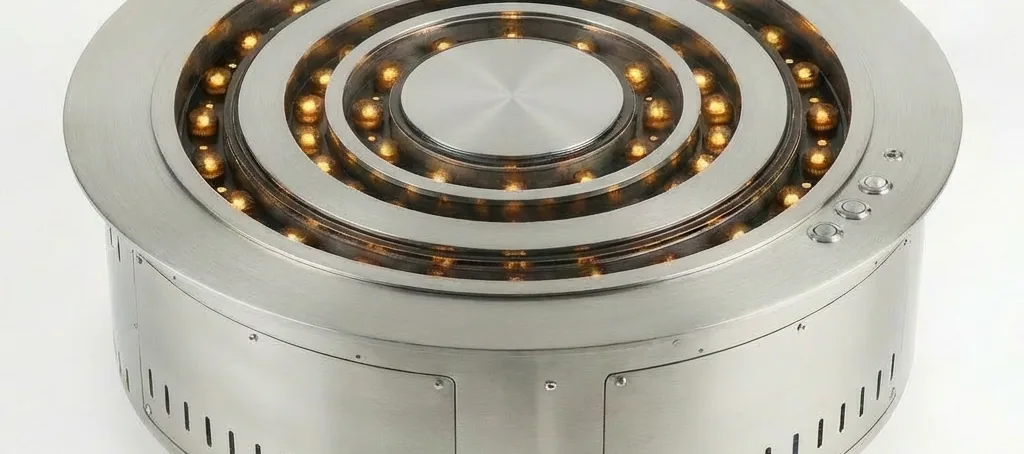
SEFIRE supplies Primary and Deluxe linear water vapor fireplaces for interior feature walls, plus round outdoor vapor fireplace options for patios, gardens, resorts, and hospitality spaces. The right model depends on the project environment, not only on the picture. A buyer can send wall dimensions, installation depth, target flame length, expected run time, destination market, and photos or drawings of the space.
For indoor projects, SEFIRE can help compare standard sizes, automatic water options, wall depth, service access, and cleaning requirements. For outdoor projects, SEFIRE can help review whether a round outdoor model, covered installation, or more protected layout is more practical. The goal is to reduce mistakes before production, especially for builders, designers, distributors, and small-batch custom project buyers.
If the project needs a custom firebox, see custom fireplace sizes for builders. If the buyer is still comparing flame technologies, see smart ethanol vs water vapor fireplaces.
Information to include in a supplier inquiry
A good inquiry helps the supplier answer quickly and accurately. Instead of sending only a product photo, send the project type, installation location, indoor or outdoor exposure level, target flame length, available wall depth, power supply, water refill preference, drainage situation, quantity, delivery country, and required documents. If the project is outdoors, add photos of the patio, terrace, roof, garden, or seating area and describe whether the fireplace will be under a roof, near open wind, close to irrigation, or exposed to rain. If the project is indoors, include the TV wall, cabinet, stone, or cladding drawings so the supplier can check access before production.
FAQ
Can an indoor water vapor fireplace be used outdoors?
Not automatically. Some indoor models may fail quickly or become unsafe if exposed to rain, wind, or outdoor electrical conditions. Ask the supplier whether the exact model is suitable for outdoor use.
Does wind affect a water vapor fireplace?
Yes. Wind can move the mist and change the flame appearance. Outdoor installations should consider shielding, placement, and expected weather conditions.
Is a water vapor fireplace good for a patio?
It can be a good option when the product is designed for the environment and the installation includes proper drainage, power protection, access, and weather planning.
Which is better for hotels: indoor or outdoor vapor fireplace?
Many hotels use both. Indoor vapor fireplaces work well for lobbies, lounges, and reception walls. Outdoor models can work for terraces, rooftop bars, and resort seating when weather and maintenance are planned.
Do outdoor vapor fireplaces provide heat?
Most water vapor fireplaces are primarily decorative. If real heat is required, compare smart ethanol or other heating systems and check local rules. SEFIRE can help buyers compare visual flame and real-flame options.
Planning an indoor or outdoor vapor fireplace project?
Send the project location, wall or patio dimensions, installation environment, and target flame effect. SEFIRE can help compare linear, Deluxe, Primary, and round outdoor vapor fireplace options.
Ask SEFIRE for Project Advice